Modular Concept

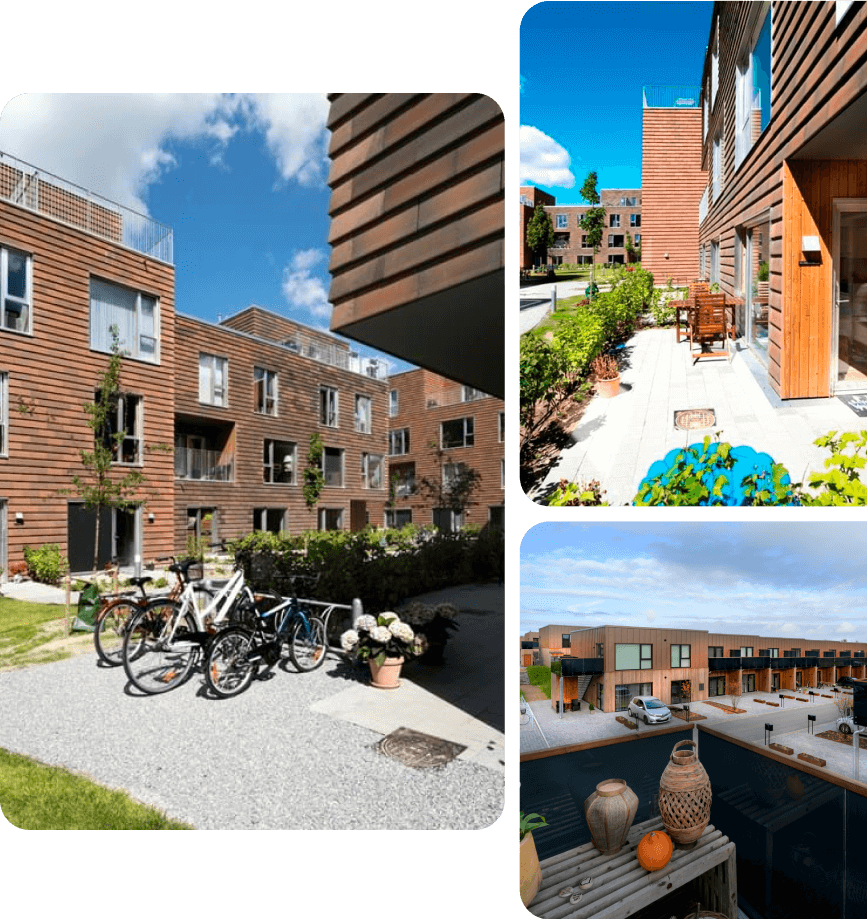
Modular NEXUS consists of a set of standard modules that can be combined into customized solutions to meet the specific needs of each location.

The modules are multifunctional and can be configured in various layouts and scales. Each solution is tailored to the exact requirements of the project and includes:

  • A layout that balances privacy with shared community spaces.
  • A strong focus on creating a homely environment, with clear visibility and intuitive orientation throughout private, shared, and outdoor areas.
  • Functional designs that optimize shared facilities, such as administration areas and other commonly used functions.
  • Solutions that consider both user needs and long-term operation and maintenance requirements.
  • Flexible interior layouts that can be adapted to different purposes and user groups.

The modules can be combined in multiple configurations and expanded over time as needs evolve. Modular NEXUS solutions are always adapted to local conditions and designed to allow for future growth and development.

Construction Benefits

Quality and sustainability

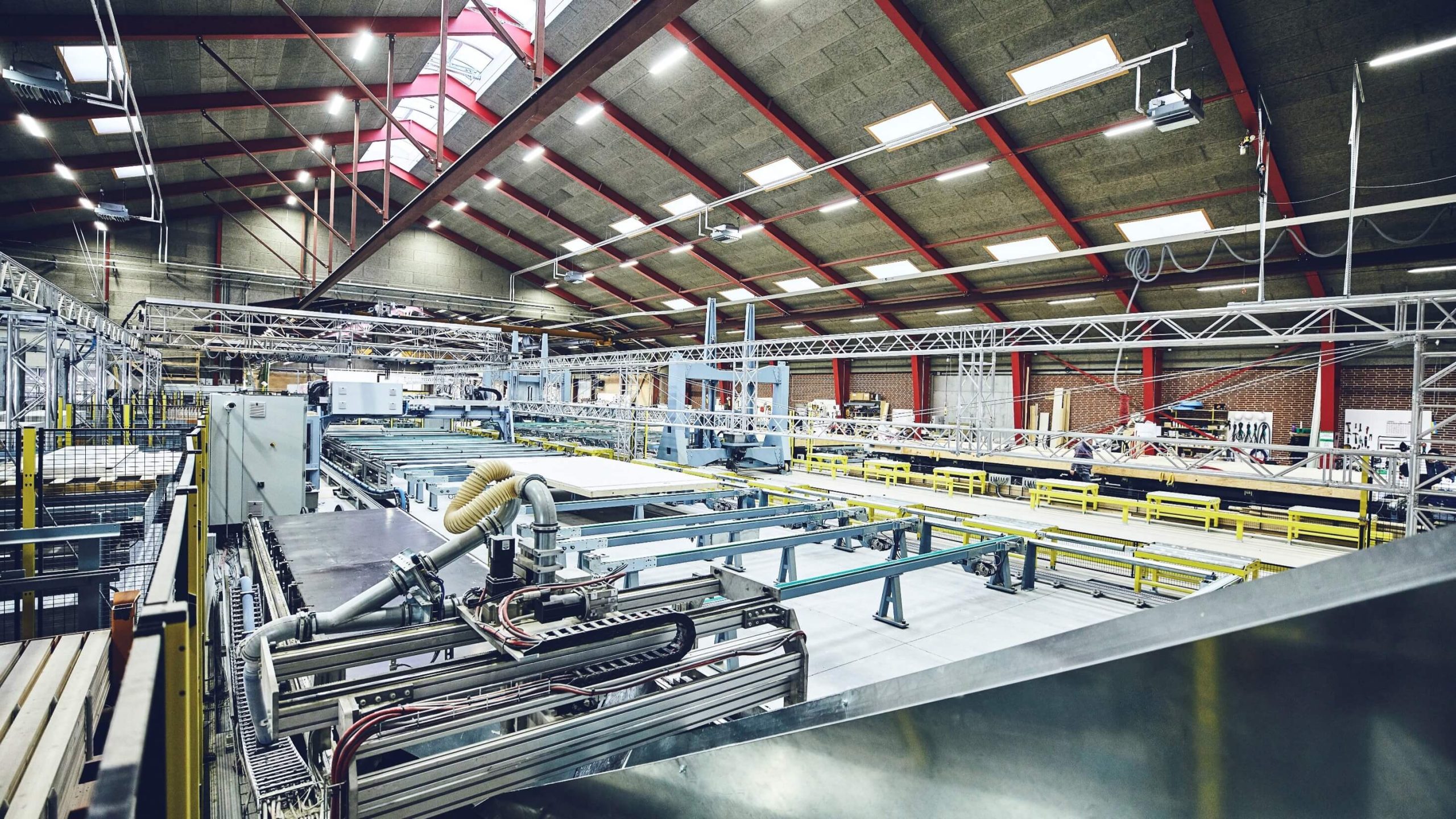
Modular construction is fast, flexible, and efficient to assemble. The industrial production of room-sized modules in a factory environment ensures a streamlined and highly efficient construction process.

A high degree of completion is achieved before delivery, significantly reducing on-site construction time and minimizing delays caused by weather conditions. At the same time, the risk of construction defects and subsequent damage during the building process is reduced.

The manufacturing process provides full control over quality assurance and production procedures.

Factory-based production enhances safety and ensures compliance with specified quality standards throughout the entire process — from material procurement and manufacturing to transportation and final installation on site.

Foundations, utility connections, and site preparation can be carried out in parallel with module production, optimizing the overall project schedule and reducing delivery times.

In addition to improving construction efficiency, the modular approach can contribute to a measurable reduction in CO₂ emissions compared with traditional concrete construction methods.

We build for what’s needed

The modules can be adapted to different conditions and needs, making it possible to comply with local requirements and the need for different demands for housing, institutions and healthcare.

The modules ensure not only fast reconstruction, but also the adaptations to the local community and needs.

Example 1

Gound floor, separate use

  • Housing: 21 units – 1 floor
  • Public: Daycare and shared kitchen
Example 2

Two floors, separate use

  • Housing: 34 housing units – 1st and 2nd floor
  • Public: Daycare and Kitchen
Example 3

Multiple floors and shared use

  • Housing: 34 housing units – 1st and 2nd floor
  • Public: Daycare, Kitchen, Healthcare Center, and Administration

High quality, healthy environment

The advantages

Fast, Flexible, Scalable & Sustainable

Speed
By manufacturing modules in a controlled factory environment, Modular NEXUS is independent of weather conditions. Site preparation and foundation work can be carried out simultaneously with factory production, significantly reducing overall project delivery time.

Flexibility and Scalability
Modular solutions can be adapted to local needs and scaled up or down depending on changing requirements for housing, care facilities, educational buildings, or community spaces.

Production Capacity
A single production line can manufacture approximately 10–20 modules per week, corresponding to around 400–800 m² of completed building area, depending on module size and configuration.

High Degree of Completion
Modules are delivered with a high level of factory completion, allowing buildings to become operational quickly while minimizing on-site construction activities.

Design for Disassembly and Reuse
Modular NEXUS buildings are designed for disassembly, enabling modules to be relocated, reconfigured, and reused in new locations or for different purposes throughout their lifecycle.

Sustainable Materials
The modules are constructed using sustainable materials with a low life-cycle environmental footprint (LCA) and are designed to provide a healthy indoor climate in accordance with Nordic environmental standards, including the Nordic Swan Ecolabel principles.

Long Service Life
According to established building standards, the estimated service life of Modular Nexus structures is comparable to that of conventional load-bearing structures built from brick or concrete.

Reduced Environmental Impact
Industrialized production methods reduce material waste, optimize resource consumption, and contribute to lower CO₂ emissions compared to many traditional construction methods.

“The difference between our modular construction and traditional construction is process, method and logo design. At the same time, the delivery time is significantly shorter, because foundations, drains, connections, etc. on the construction site is prepared while the modules are manufactured.”